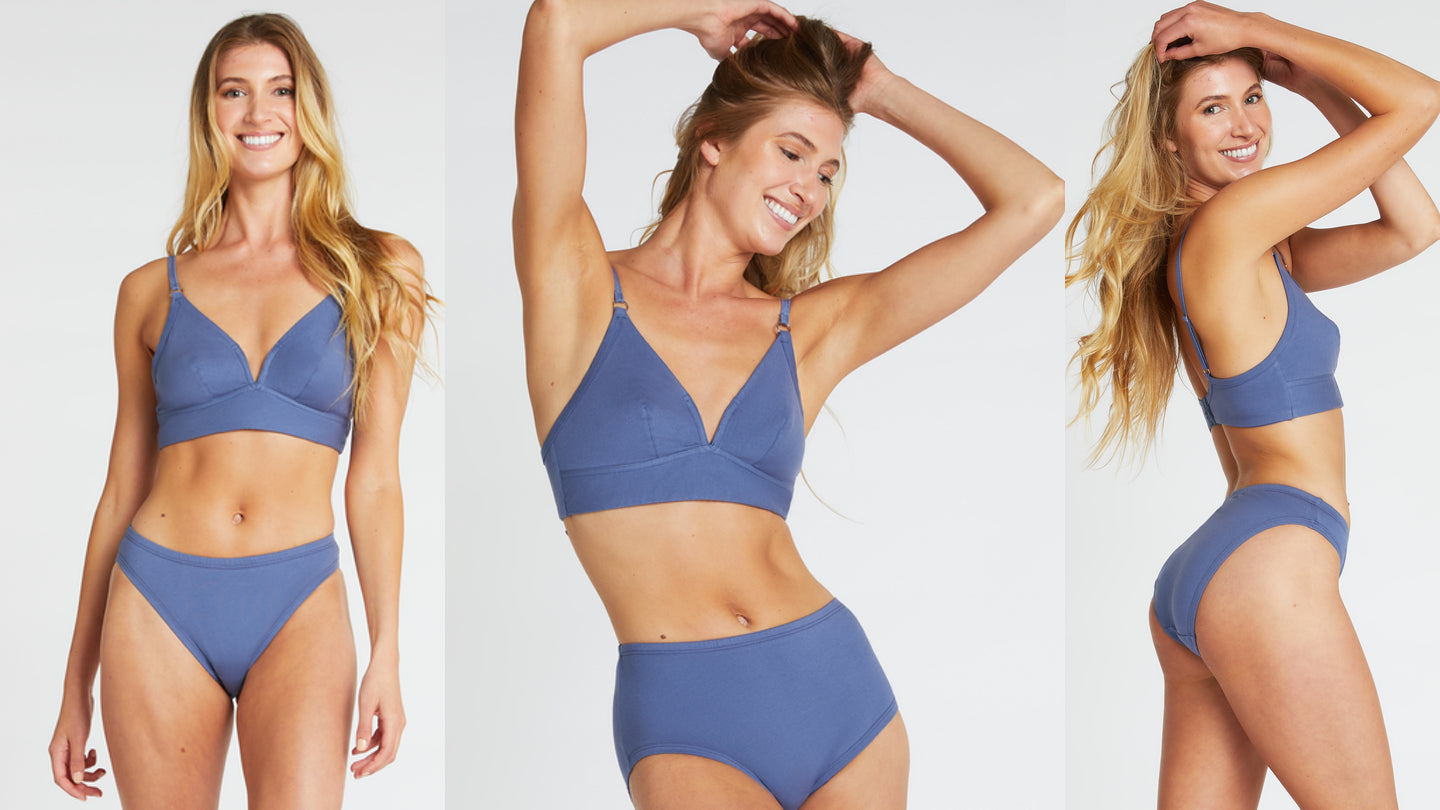
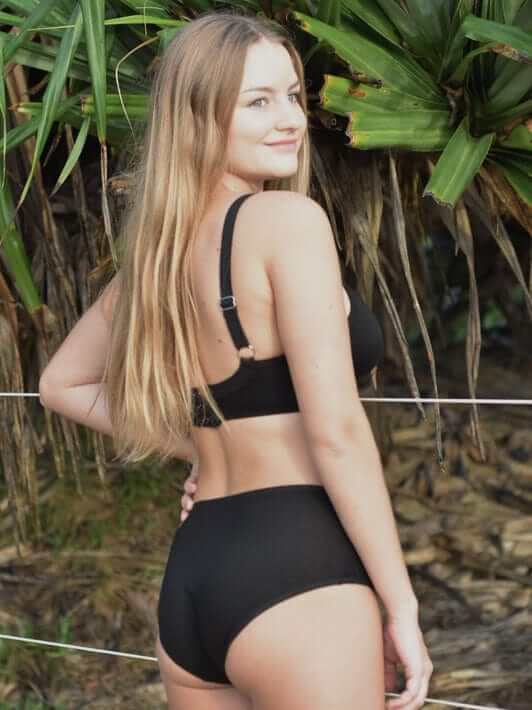
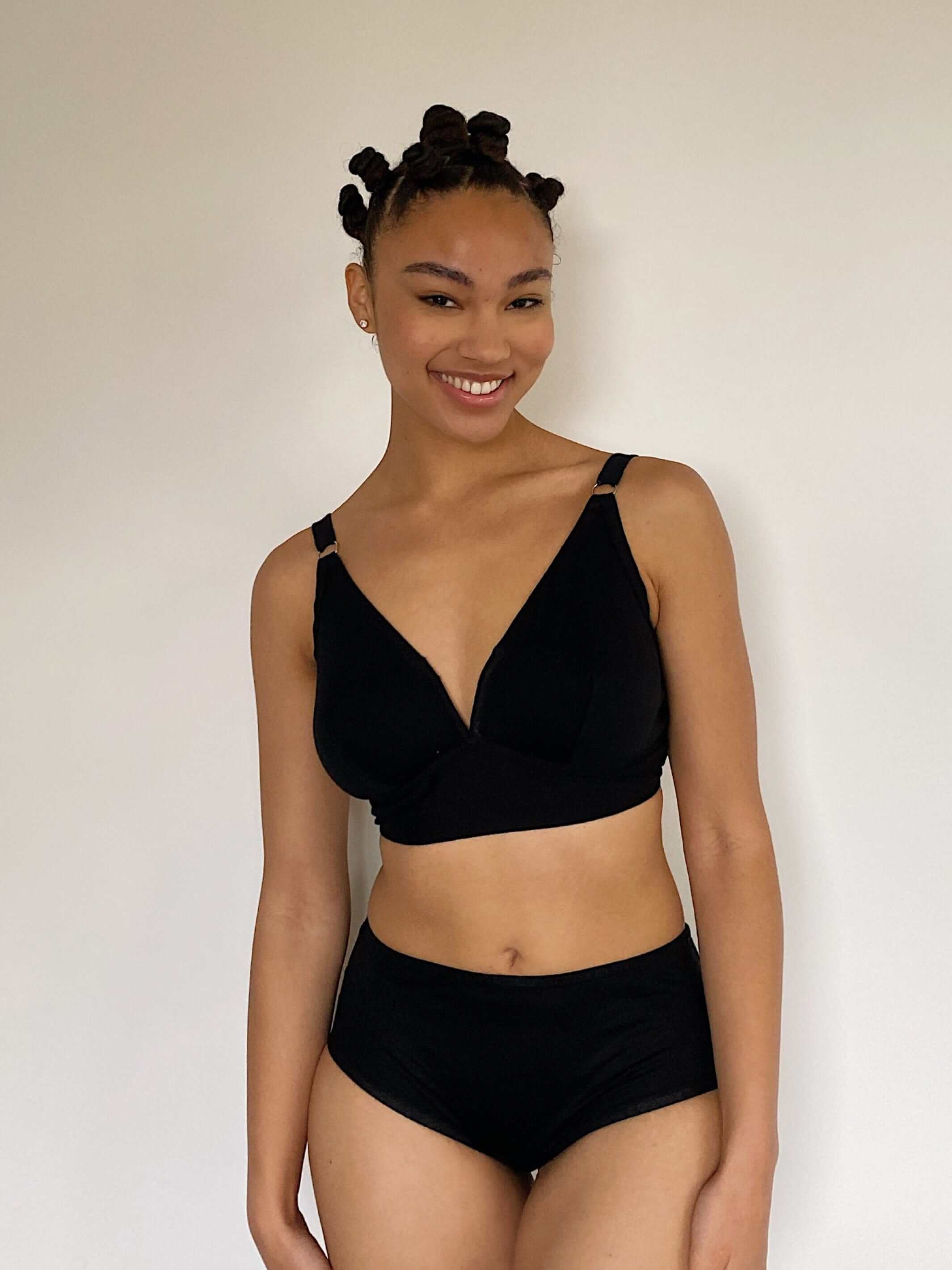

There is a moment most women know without it being explained. You walk in the door, drop the bag, head to the bedroom, and unhook the bra. The relief is so reliable it has become a household ritual. We have not surveyed anyone on this. We do not need to.
The bra is not the cause of every modern discomfort, but it is in the top five for most women. The wire that digs in by 3pm. The strap that slips no matter how tight you take it. The seam that leaves a red ring across the ribs. We have been told this is the cost of "support". It is not. It is the cost of bras designed by people who do not have to wear them.
A bra can be supportive and comfortable at the same time. The two are not in opposition, despite what the lingerie industry has implied for the last fifty years. You just need a bra that has been thought about properly: the right materials, the right fit, the right construction. None of it is exotic. It is just rare.
What "comfortable" actually requires
Comfort comes from three things working together. Get any one of them wrong and the day will feel long.
Fabric. Polyester and elastane do not breathe. They trap heat and moisture against the skin, which by lunchtime translates to itch, redness or a heat rash you blame on the weather. Natural fibres do the opposite. They breathe, regulate moisture, and stay quiet against the skin. Our 100% organic cotton bras use cotton in the cup, the band, the elastic and the thread. There is no synthetic anywhere in the construction, which is rarer than the marketing language around "natural" lingerie suggests.
Fit. A comfortable bra is in the right size, not the size you have been wearing for ten years. Bra sizes shift through life: pregnancy, postpartum, weight changes, hormonal cycles, perimenopause. Most of us have not been measured since our twenties. The band should sit level around the body without riding up. The cup should hold the breast without spillage or gaping. The straps should carry maybe ten per cent of the support, not all of it. If it has been a while, our size guide walks through the measurements.
Construction. No underwire. No pinching seams. No plastic-edged labels rubbing against the spine. Soft, wide bands. Adjustable straps. A J-hook or back closure that lays flat. None of this is fancy, and none of it is new. The reason most bras still get it wrong is that "lift and shape" has been the design priority for half a century, and "wear all day without thinking about it" has not.
Why we removed the wire
Wires were originally designed to lift and separate. They also press into the breast tissue, sit on the lymphatic drainage system beneath the breasts, and can migrate through the seam casing within months of regular wear. The Washington Post recently noted that for the first time in five years, sales of wirefree bras have outsold wired ones in the United States. We were not surprised.
Once our customers leave the wire, they rarely go back. The reason they give most often is not the comfort, although that is part of it. The reason is that they stop thinking about the bra. They forget they are wearing one. They go through a desk job, a school run, an evening at the stove, and at no point does the bra demand attention. This is what a bra is supposed to do.
A well-made wire-free bra holds its shape through the cut of the cup and the firmness of the band, not through metal. We make ours in 34 sizes, from 8/30C up to 16/38E, with F and G cup in selected styles. To our knowledge, we are the only brand in the world carrying stock in this range without a gram of spandex.
The fabric question, simply
The brand on the label matters less than what the bra is actually made of. Bras marketed as "natural" or "eco" frequently contain 5 to 15 per cent spandex or elastane somewhere in the construction. That percentage looks small on the label, but elastane runs through the entire fabric rather than sitting in one corner. Five per cent spandex is enough to make a bra trap heat, shed microfibres in every wash, and fail to break down at end of life. The cotton on the front of the label and the synthetic blended through it are doing two different jobs, and only one of them is helping you.
If sensitive skin, eczema or allergies are part of your day, look for 100% natural fibre composition all the way through. Our sustainable range uses organic cotton or TENCEL, with natural rubber elastic knitted into cotton, and 100% cellulose thread. Organic cotton is grown without pesticides and is naturally moisture-wicking. TENCEL is made from sustainably harvested wood pulp, has natural antibacterial properties, and feels somewhere between cotton and silk on the skin. Either is a complete fabric. Neither needs synthetic added to make it work.
What changes when you switch
The shift from wired synthetic bras to natural-fibre wire-free is rarely subtle. Most of our customers describe a change within the first week. Less heat. Less itching. No red ring at the band. The sense that the bra is doing its job without making its presence known.
The other thing that changes, and customers mention this often, is their relationship to the bra itself. They stop owning a drawer of bras for different occasions. They settle into wearing the same one or two bras every day, often through the night, and replacing them when they wear out. The wardrobe shrinks. The drawer becomes easier to open.
Adjusting from underwire
If you have worn underwire for years, the first few days of wire-free can feel "different" rather than uncomfortable. Your ribcage and breasts have spent that long adjusting to wire pressure, so the absence of pressure can feel unfamiliar. Give yourself a week. By the end of the first week the bra will have disappeared in the way it is supposed to.
Start with the size you wear comfortably now and check it against the size guide. With no spandex, our bras fit a little firmer in the band than what you may be used to. The band stretches to fit but does not stretch out across the day. If you are between sizes, we recommend you choose a size up if you're used to wearing spandex bras, and email us if you want a hand. We answer all sizing questions ourselves.